
Rotor Resurfacing vs. Replacement: Which is the Best Auto Brake Repair Option?
Maintaining a well-functioning braking system is pivotal for vehicle safety, making it one of the most essential aspects of auto maintenance. Properly working brakes not only facilitate a smooth driving experience but also prevent potential accidents by ensuring the vehicle can come to a stop effectively when needed. As the automotive service market in the US is projected to grow by USD 81 billion from 2024 to 2029, according to Researchandmarkets.com, understanding brake maintenance options is increasingly important for consumers.
Understanding Rotor Resurfacing
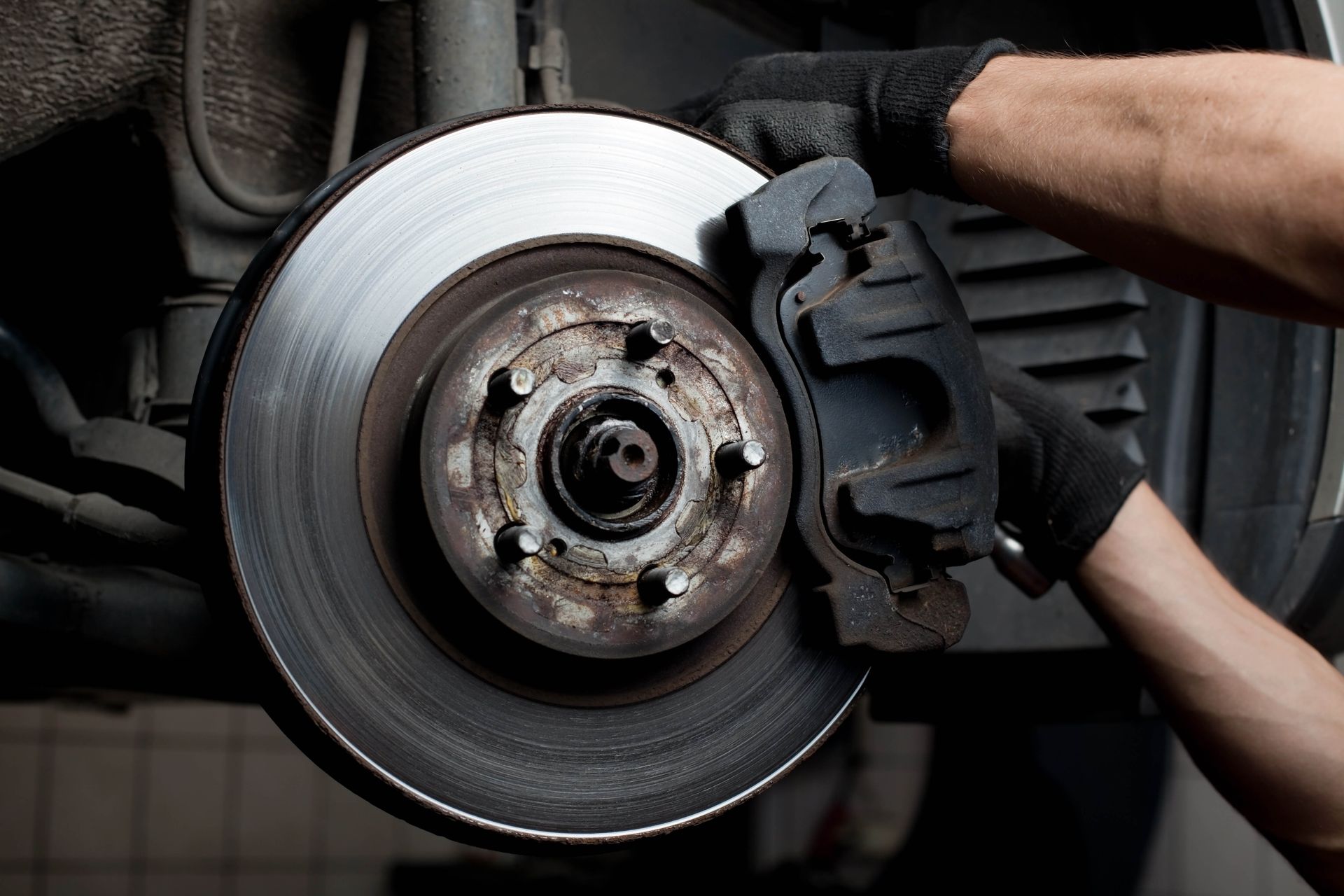
Rotor resurfacing, also known as brake disc skimming or turning, involves machining the surface of the rotor to restore its flat, even braking surface. This process removes worn surface material and aims to eliminate some irregularities, such as grooves or rust, that may cause brake pads to wear unevenly or produce noise. Restoring the rotor surface can lead to better contact between the brake pads and rotors, thereby potentially enhancing braking efficiency. By addressing the existing rotor surface issues, resurfacing serves to extend rotor lifespan and improve vehicle safety without replacing the entire component. This technique, however, may not always be suitable, depending on the extent of wear or damage to the rotor.
Several signs might indicate that rotor resurfacing is a viable option for auto brake repair. If the rotors show minor surface imperfections such as small grooves or slight warping, resurfacing may provide a sufficient remedy. Alternatively, if drivers experience brake vibration, pulsation, or unusual noises while braking, these could be signs that resurfacing is needed. It is important for vehicle owners to consult with automotive professionals to evaluate the condition of their rotors, as resurfacing may be more cost-effective than full replacement when issues are corrected early. However, if the rotor thickness is below the manufacturer's minimum specifications or if severe damage is present, replacement may be warranted instead.
One of the primary advantages of rotor resurfacing is its potential for cost savings compared to full rotor replacement. Resurfacing typically requires less labor and fewer materials, making it a relatively affordable option for addressing minor surface imperfections. Furthermore, resurfacing can extend the lifespan of the existing rotors by ensuring they continue to function safely and efficiently, often delaying the need for a complete replacement. It also contributes to the sustainability of the automobile industry by maximizing the use of existing materials and reducing waste. Another advantage is that resurfacing can be a quicker process, allowing drivers to get back on the road faster.
While rotor resurfacing can be beneficial, it also has some limitations. One significant limitation is that resurfacing cannot address structural damage to the rotors, such as deep grooves, cracks, or excessive warping. Additionally, the process of skimming off rotor material reduces the overall thickness of the rotor, which could bring it below the minimum safe thickness specified by manufacturers. If the rotor becomes too thin, it may not dissipate heat effectively, increasing the risk of brake fade or failure. Furthermore, resurfacing may not provide a permanent solution; if rotor issues are severe, they may recur without a complete replacement.
Understanding Rotor Replacement
Rotor replacement for auto brake repair involves removing the worn-out rotors and installing new ones to restore optimal braking performance. Unlike resurfacing, replacement does not attempt to salvage damaged rotors but instead opts for entirely new components. New rotors provide a fresh start, ensuring ideal thickness and material quality without existing wear or imperfections. The process often requires more extensive labor and materials, as the brake system is disassembled to access the rotors. Rotor replacement ensures compliance with all safety specifications, making it a reliable choice for addressing serious wear or damage.
Several criteria and symptoms indicate when rotor replacement is necessary. If the rotors are severely warped, cracked, or otherwise structurally compromised, replacement becomes necessary to ensure vehicle safety. Additionally, if the rotor thickness falls below the manufacturer's minimum specifications due to wear or previous resurfacing, replacement ensures the integrity of the braking system. Persistent braking issues, such as fading brakes or ongoing vibrations and pulsations, may also signify that the rotors cannot be salvaged. Consulting with a certified auto technician is crucial to assessing whether a replacement is warranted, ensuring both performance and safety are maintained.
Rotor replacement offers several key advantages, primarily by providing optimal braking performance and reliability. New rotors are free of wear and surface imperfections, ensuring an ideal braking surface for maximum pad contact. This upgrade can substantially improve braking efficiency and reduce stopping distances, enhancing overall vehicle safety. Additionally, replacement rotors often come with modern features, such as advanced materials and cooling designs, that pilot more efficient braking and heat dissipation. Such advancements can lead to reduced maintenance intervals and long-term peace of mind for vehicle owners.
Despite its benefits, rotor replacement also has disadvantages, primarily related to cost and resource use. Replacing rotors is generally more expensive than resurfacing because it involves higher material and labor expenses. This can place a greater financial burden on vehicle owners, especially if additional components like brake pads must also be replaced. Moreover, replacing rotors can generate more waste, as the original rotors must be discarded, raising sustainability concerns. While new rotors ensure optimal performance, the initial financial outlay may be prohibitive for some consumers without assessing long-term cost savings.
Understanding Performance and Safety Considerations
The impact of rotor resurfacing and auto brake repair can differ significantly based on the severity of rotor issues. Resurfacing improves braking performance by enhancing contact between the rotor and brake pads, reducing noise, and minimizing vibrations for rotors with surface-level irregularities. For comprehensively worn or damaged rotors, replacement introduces fresh components, resulting in improved braking performance, reduced stopping distances, and enhanced heat dissipation. New rotors' superior technological features may further boost performance, making replacement especially beneficial for high-performance or heavily driven vehicles. By delivering superior efficiency and reliability, replacement provides undeniable performance advantages over resurfacing.
The safety implications of resurfacing can be favorable for vehicles with minor rotor issues or those closely monitored for maintenance. Resurfacing provides a smooth braking surface, improving rotor-brake pad interaction and potentially alleviating noise and vibration issues. However, once a rotor falls below the manufacturer's safe thickness, resurfacing can compromise the auto brake repair system's integrity, heightening the risk of brake fade during extended braking. Additionally, resurfacing may not resolve structural damage, which can resurface safety concerns over time. Vehicle owners should consult professional technicians for regular inspections to determine eligibility.
Rotor replacement offers substantial safety advantages, particularly for vehicles experiencing severe rotor issues. Installing new rotors ensures the auto brake repair system meets or exceeds original equipment manufacturer (OEM) safety specifications, contributing to a secure driving experience. Replacement reduces risks associated with brake fade, vibrations, or failure common in severely worn rotors, ensuring optimal braking performance. Advanced features in replacement rotors further enhance safety, making it an attractive option for drivers prioritizing maximum vehicle safety. While replacement incurs higher costs than resurfacing, the improved standards and dependability offer drivers peace of mind, especially in critical or emergency braking scenarios.
Choosing between rotor resurfacing and rotor replacement depends on the condition of your auto brake repair system, your driving habits, and your long-term safety priorities. Resurfacing can be a cost-effective and environmentally friendly solution for minor wear, helping extend rotor life when thickness and structural integrity remain within safe limits. However, when rotors show significant wear, warping, or fall below manufacturer specifications, replacement is the safer and more reliable option. To learn more about auto brake repair, contact the professionals at Herrington Automotive Repair Service today.

Share On: