
Repair or Replace: What to Do With Your Car's Faulty Transmission
When your vehicle starts shifting harshly, slipping out of gear, or making strange noises, you might be facing a serious automotive headache. Dealing with a failing gearbox is a stressful experience for any driver, as it is one of the most vital and complex systems within your vehicle. Without it, the power generated by your engine has no way to reach the wheels, leaving you stranded. As soon as you notice a problem, you must make a critical choice regarding how to handle the situation. Many vehicle owners find themselves torn between fixing the existing unit and opting for a complete swap. Navigating this decision requires careful thought and a deep understanding of what each path entails. Ultimately, deciding whether to pursue a transmission repair or look into a full replacement depends on a variety of circumstances unique to your specific situation and the condition of your automobile. Let us explore the vital elements you must consider when facing this frustrating automotive dilemma.
Assess the Severity of the Damage
The first step in determining the right course of action is to figure out exactly what is wrong inside the gearbox. Not all mechanical failures are catastrophic, and jumping to conclusions can lead to unnecessary panic and expenses. Sometimes, the problem is relatively minor and easily remedied. A simple fluid leak, a faulty sensor, or a damaged solenoid can cause alarming symptoms that mimic a total system failure. In these instances, a targeted transmission repair is usually the most logical and cost-effective approach to take. A qualified mechanic can run diagnostic tests to pinpoint the exact source of the malfunction. However, if the internal components like the gears, clutches, or bands have suffered extensive wear and tear, the situation becomes much more complicated. Catastrophic internal failure often means that fixing the individual broken pieces is simply not viable. The labor involved in taking the entire unit apart, diagnosing every shattered component, and putting it all back together can quickly become overwhelming. Therefore, securing an accurate and thorough diagnosis from a trusted professional is absolutely paramount before you make any decisions regarding the future of your vehicle.
Consider the Age of Your Vehicle
Another crucial element to factor into your decision is the overall lifespan and current condition of your automobile. If you are driving a relatively new car that has suddenly developed a gearbox issue, investing in a comprehensive fix makes perfect sense. The rest of the vehicle is likely in excellent shape, meaning that restoring the drivetrain will keep you on the road for many years to come. Conversely, if your daily driver is an older model that has seen better days, you must think critically about its remaining value. Pouring a significant amount of money into an aging car might not be the smartest financial move. When a vehicle nears the end of its typical lifespan, other major systems might also be on the verge of failing. It is deeply frustrating to pay for a major transmission repair only to have the engine fail shortly afterward. You must ask yourself if the car is genuinely worth the massive investment required to keep it running. Sometimes, the most pragmatic choice is to cut your losses, skip the extensive mechanical work, and start looking for a different vehicle altogether.
Evaluate the Overall Financial Impact
Financial considerations almost always play the biggest role in determining how to handle a failing drivetrain. Fixing a broken gearbox is notoriously pricey, largely due to the immense complexity of the system and the sheer amount of labor required to access it. Whether you choose to fix the broken parts or swap out the entire system, you must be prepared for a substantial bill. According to the Federal Trade Commission, there are three broad categories of replacement auto parts: brand new, restored to functional condition, and salvaged directly from other cars. Because the costs can escalate so rapidly between categories, you must carefully weigh the price of a localized transmission repair against the price of a total replacement. Sometimes, fixing a specific internal component seems cheaper initially, but hidden damage can drive the final bill up significantly. On the other hand, putting in a completely different unit offers a predictable upfront price but requires a massive lump sum payment. You have to look at your personal budget and decide which financial route makes the most sense. Always ask your mechanic for a detailed breakdown of the expected costs for both paths before authorizing any major mechanical work to begin.
Understand the Replacement Options
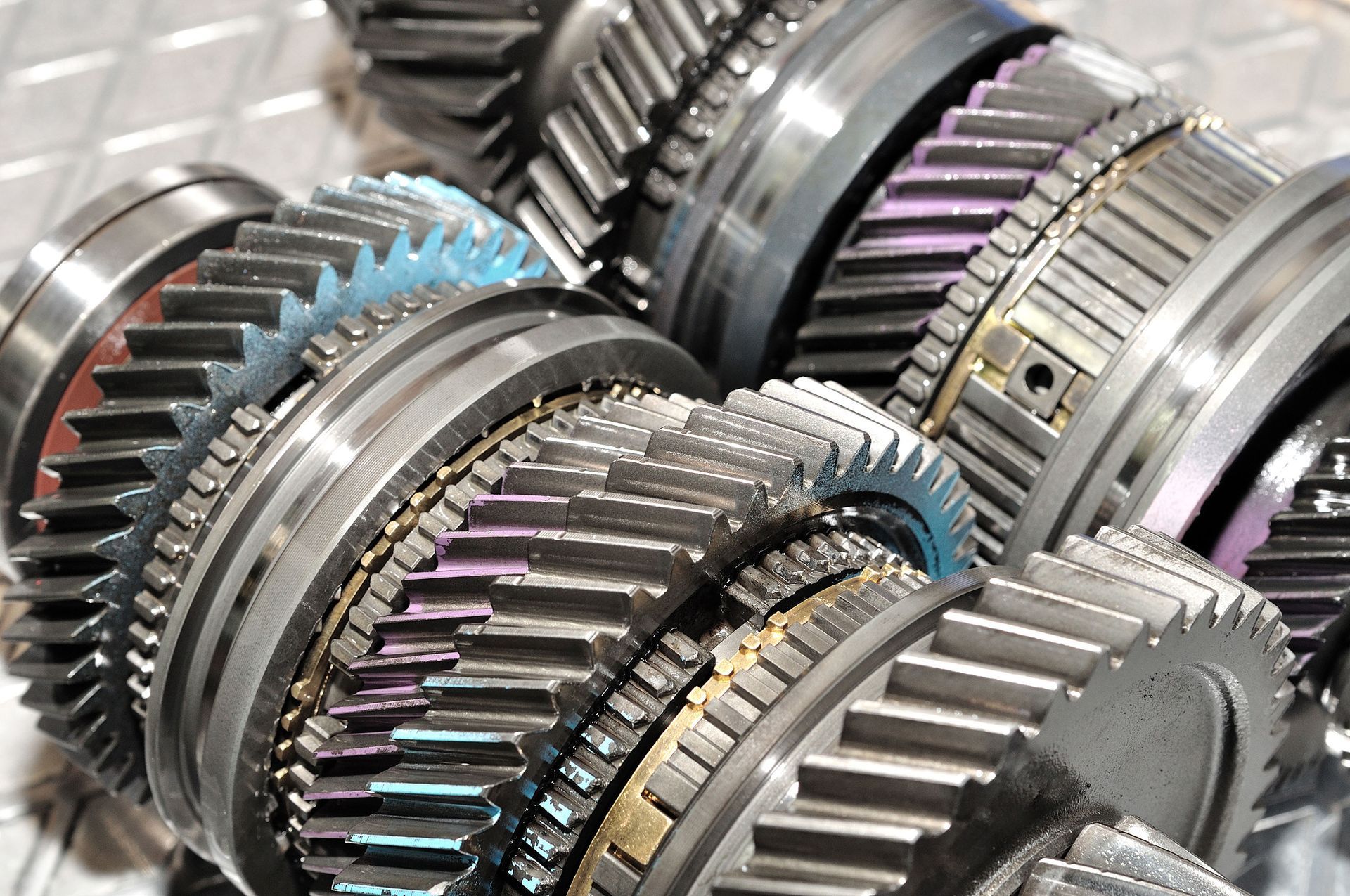
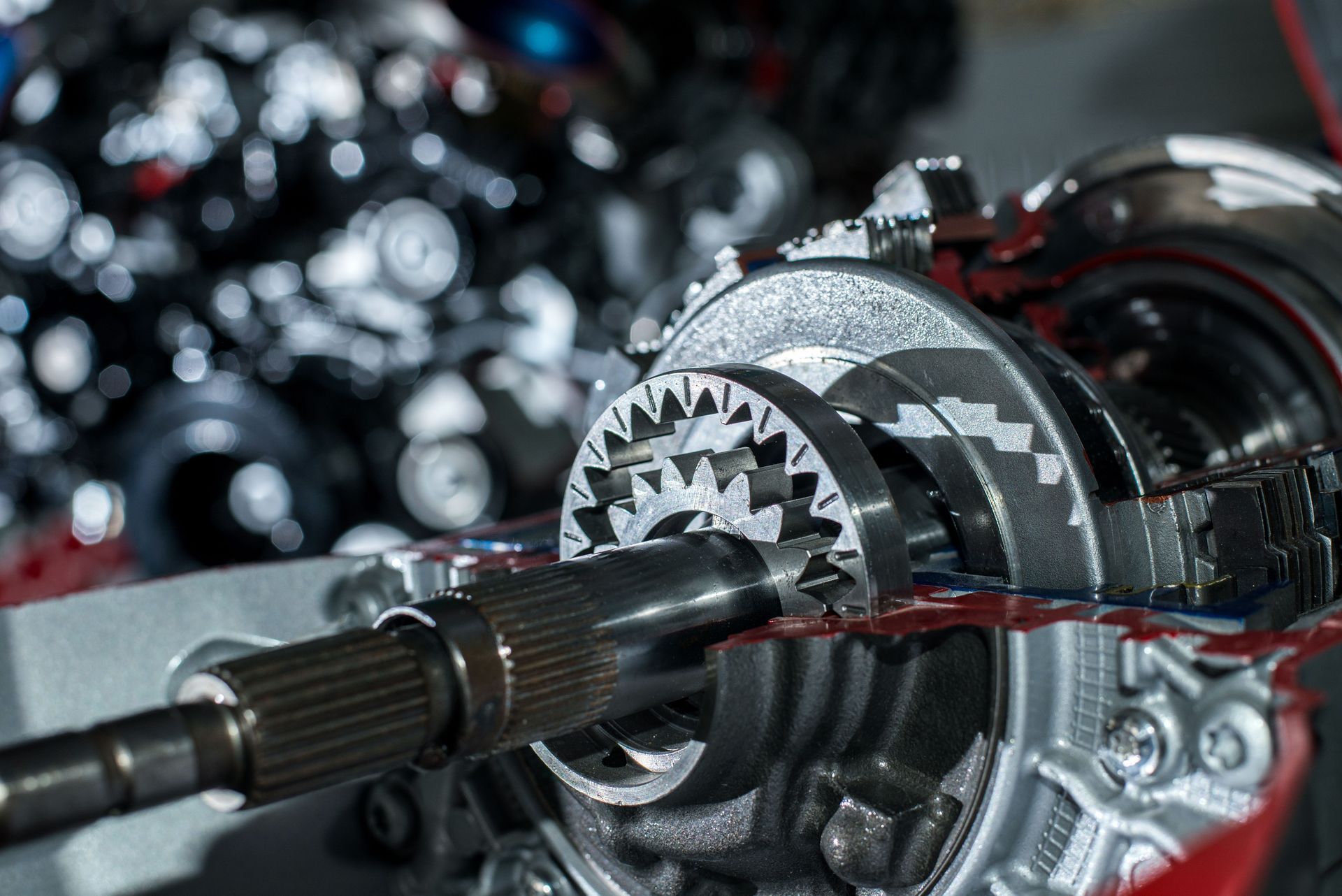
If you and your mechanic determine that fixing the original unit is impossible or financially unwise, you must then explore the different avenues for replacing it. You generally have a few distinct choices when going down this path. One avenue is a brand-new unit straight from the original manufacturer, which is incredibly reliable but also astronomically expensive. Another option is a remanufactured unit. This is a previously used gearbox that has been completely disassembled, cleaned, and rebuilt with new components by factory professionals to meet original specifications. Remanufactured units offer an excellent balance of reliability and affordability. A final option is a used unit pulled from a salvage yard. While this is the cheapest route, it is also the riskiest, as you have no real way of knowing how much wear and tear the salvage unit has already endured. If you decide that a transmission repair is not sufficient, discussing these distinct replacement avenues with your technician is essential. Each option carries its own set of pros and cons regarding upfront costs, warranty coverage, and expected longevity. Understanding exactly what goes into your car will give you much-needed peace of mind.
Weigh the Long-Term Reliability
When investing a large sum of money into your vehicle, you want assurances that the work will last. Reliability is a massive factor in the debate over how to handle a faulty drivetrain. A highly skilled mechanic can perform a phenomenal job fixing a specific broken part, but the surrounding components within the older gearbox might still be worn out. There is always a lingering risk that a different part of the system could break down on the road, bringing you right back to the shop. Opting for a localized transmission repair fixes the immediate problem, but it does not completely renew the entire system. Conversely, installing a high-quality remanufactured or brand-new unit provides a fresh start for your drivetrain. These completely overhauled systems typically come with robust warranties that protect you from future defects. For drivers who plan on keeping their vehicle for the foreseeable future and want maximum dependability, a full replacement often provides the most confidence. You must weigh the immediate savings of a smaller fix against the long-term security of a completely renewed system to determine what aligns best with your future driving plans and your tolerance for potential breakdowns.
Making the choice between fixing your current gearbox and installing a completely different one is never easy. It requires a careful evaluation of the mechanical damage, your personal budget, and your future plans for the vehicle. Navigating this stressful situation is much easier when you have a knowledgeable and honest professional by your side to guide you through the process. They can provide the accurate diagnostics and transparent pricing you need to make an educated choice. Whether you decide that a transmission repair is the best route or you opt for a full replacement, having skilled hands working on your car ensures the job is done right. If you are experiencing shifting issues or hearing strange noises from your vehicle, do not wait until you are stranded on the side of the road. Call Herrington Auto Repair Service today to learn more about your options and get your vehicle back into top driving condition.

Share On: