
Understanding the Costs of Various Auto Repairs
The world of auto repairs can feel overwhelming for many vehicle owners because mechanical problems often appear unexpectedly and repair costs can differ greatly from one service visit to another. Understanding the most common repair categories helps drivers prepare financially, recognize warning signs and make informed maintenance decisions. Vehicles contain thousands of moving parts that work together under demanding conditions every day. Over time, wear and tear naturally affects important systems such as the engine, transmission, brakes and suspension.
Learning about repair costs also helps car owners communicate more effectively with mechanics and compare service estimates with confidence. Some repairs involve relatively simple part replacements, while others require advanced diagnostics and extensive labor. Staying proactive with maintenance and addressing problems early can reduce long-term expenses and improve overall vehicle reliability. By understanding the factors that influence repair pricing, drivers can better manage the responsibilities that come with vehicle ownership.
Engine Repair Costs and Preventative Care
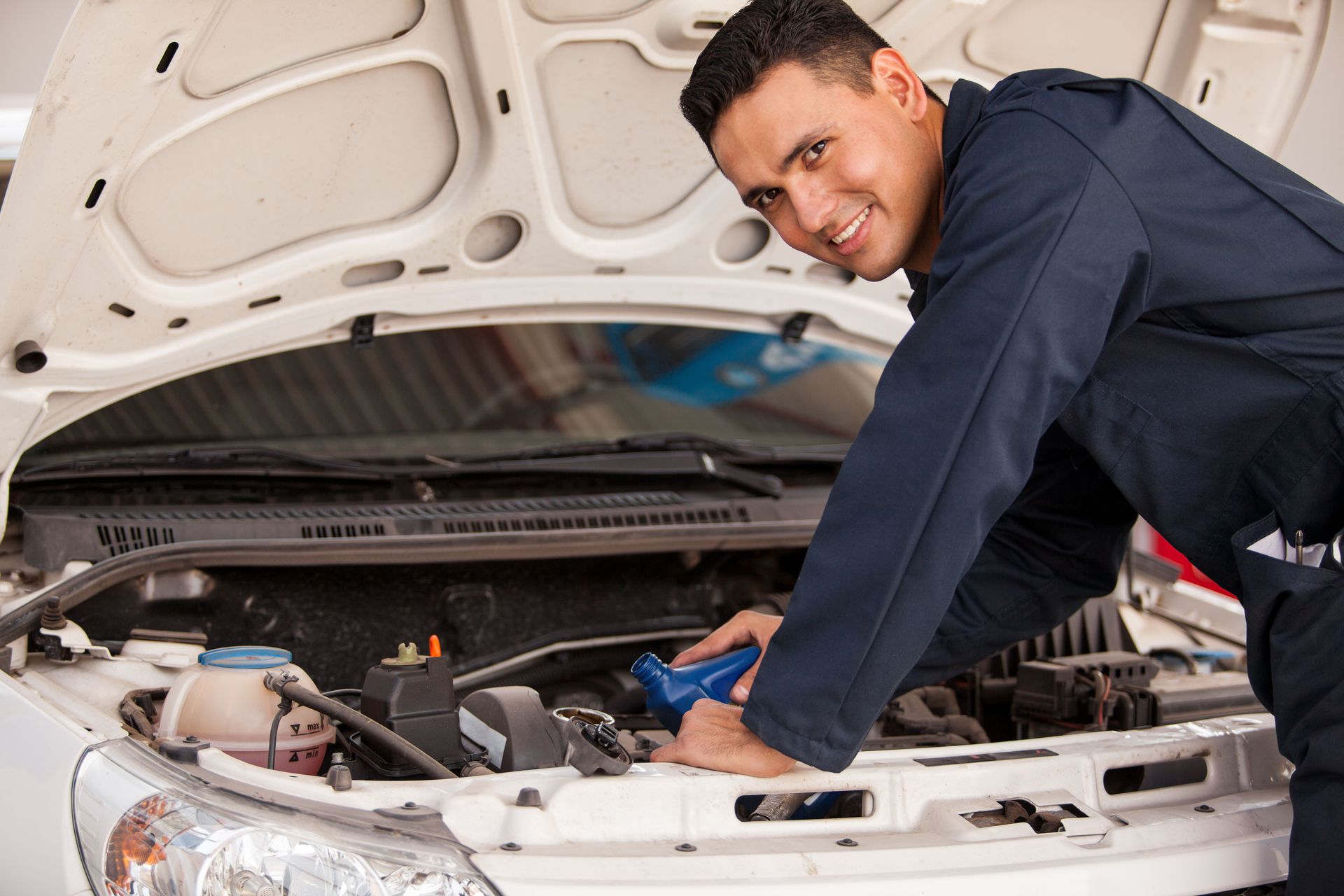
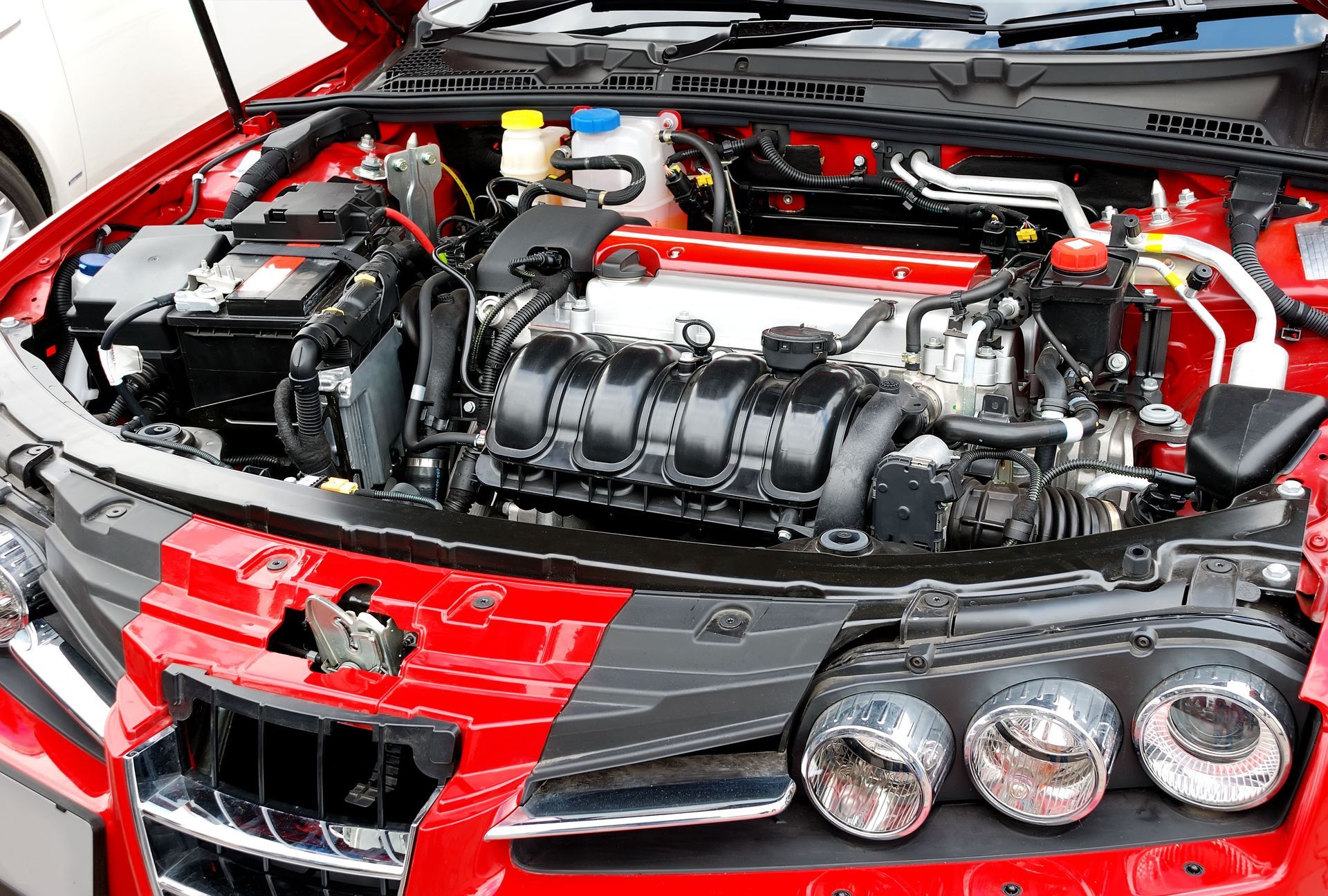
Engine problems are among the most common concerns drivers face because the engine controls nearly every aspect of vehicle operation. Basic auto repairs may include spark plug replacement, ignition coil service, gasket replacement or sensor repairs. According to Consumer Affairs, basic repair services often range from $95 to $237, though larger engine projects can cost significantly more depending on the severity of the issue and the type of vehicle involved.
Routine maintenance plays a major role in preventing serious engine trouble. Oil changes, filter replacements and fluid inspections help protect internal components from premature wear. Ignoring small symptoms such as rough idling, unusual noises or dashboard warning lights can allow problems to worsen over time. Addressing these concerns early often prevents costly damage to pistons, valves and other major engine components.
Timing belt replacement is another important maintenance service because a worn or broken timing belt can lead to catastrophic engine failure. Many manufacturers recommend replacing timing belts between 60,000 and 100,000 miles. While the service can be labor intensive, replacing the belt on schedule is usually far less expensive than repairing severe engine damage caused by belt failure. Proper maintenance habits can extend engine life significantly and improve fuel efficiency as well.
Understanding Transmission Service Expenses
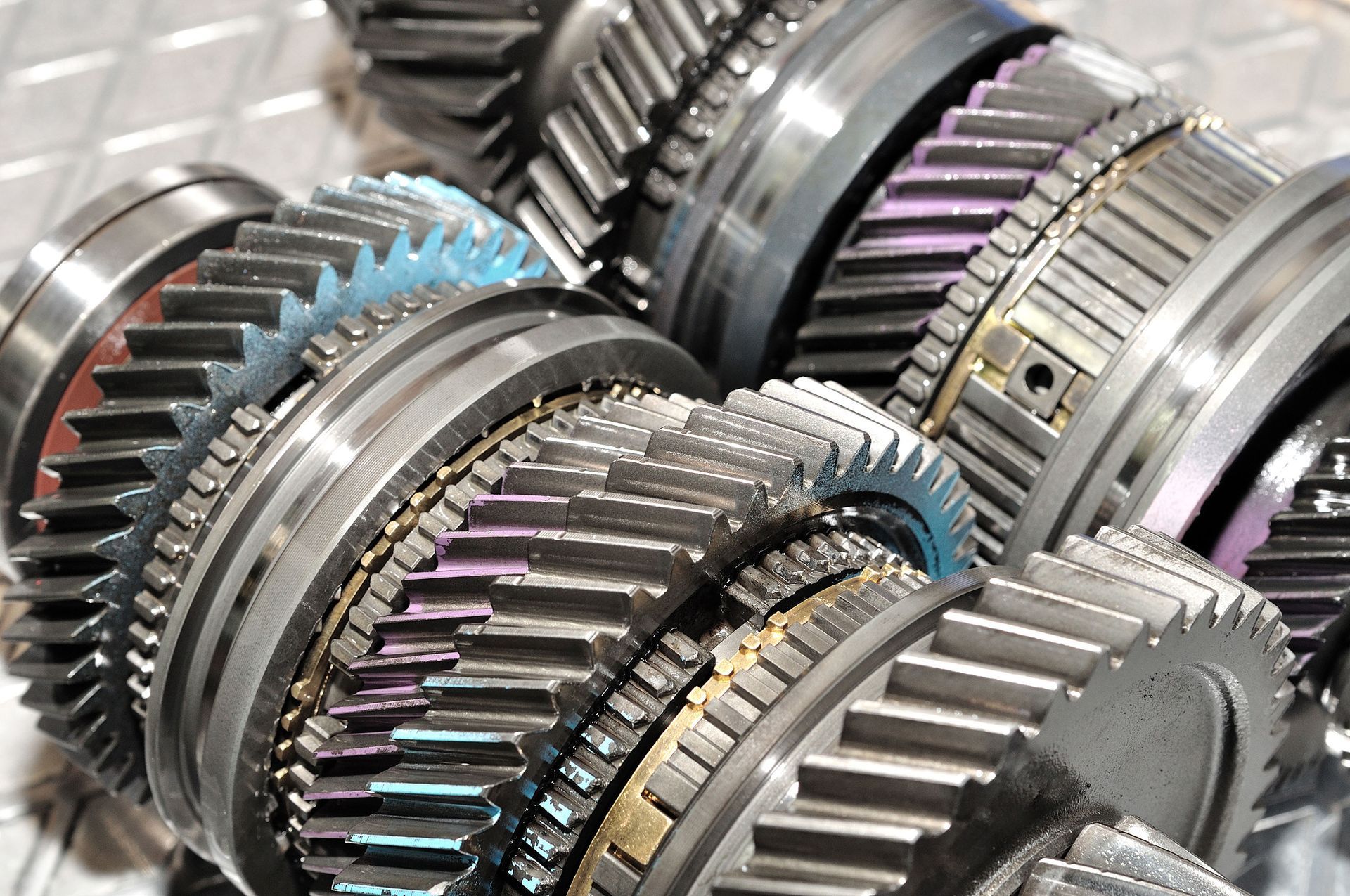
Transmission repairs are often expensive because transmissions contain many interconnected components that require precision during service. Common warning signs include slipping gears, delayed acceleration, grinding sounds and fluid leaks. Drivers who notice these symptoms should schedule inspections quickly because continuing to drive with transmission problems can increase damage and repair costs.
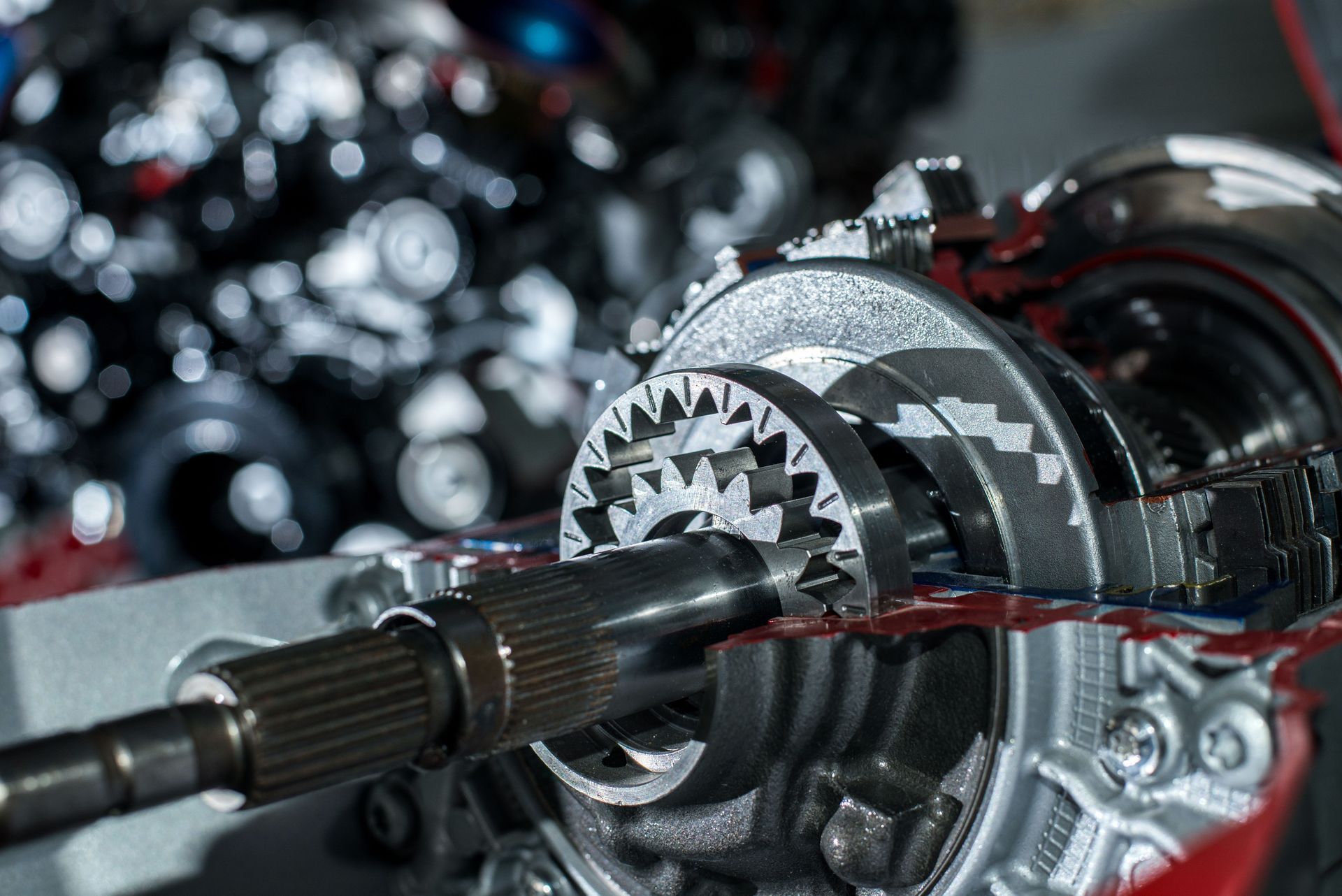
Minor transmission issues may involve replacing seals, repairing leaks or changing transmission fluid. In more serious situations, technicians may recommend rebuilding or replacing the entire transmission assembly. A rebuild involves disassembling the unit, inspecting individual parts and replacing worn components before reassembly. Although rebuilds are still costly, they are often less expensive than complete replacements.
Regular fluid service is one of the best ways to reduce transmission wear and preserve shifting performance. Clean transmission fluid lubricates internal parts, controls heat and helps maintain hydraulic pressure throughout the system. Vehicle owners who follow manufacturer maintenance schedules are often less likely to experience major transmission failures. Comparing repair estimates and understanding warranty coverage can also help drivers manage these larger service expenses more effectively.
Brake System Maintenance and Safety Costs
Brake maintenance is essential because the braking system directly affects vehicle safety and driver control. Brake pads naturally wear down over time through friction and heat generated during stopping. Depending on driving conditions and habits, brake pads may need replacement every 25,000 to 70,000 miles. Rotor resurfacing or replacement may also be necessary when rotors become warped or worn beyond safe operating limits.
Timely brake auto repairs help prevent more serious problems such as damaged calipers, reduced stopping performance and uneven braking. Drivers may notice squealing sounds, grinding noises or vibrations when braking if components need attention. Addressing these warning signs quickly can help maintain safe stopping distances and reduce the risk of accidents.
Modern vehicles also include anti-lock braking systems that improve stability during emergency braking situations. ABS repairs can involve sensors, wiring harnesses or control modules, which may require specialized diagnostic equipment. Although aftermarket brake parts can sometimes reduce expenses, drivers should prioritize quality and safety when choosing replacement components. Reliable brake performance remains one of the most important factors in safe vehicle operation.
Suspension and Steering Repair Considerations
Suspension and steering systems help maintain vehicle stability, ride comfort and handling performance. Common suspension components include shocks, struts, control arms, bushings and ball joints. Over time, these parts experience constant stress from potholes, uneven roads and everyday driving conditions. Worn suspension components can lead to poor handling, uneven tire wear and reduced driving comfort.
These auto repairs can vary in cost depending on the specific parts involved and the labor required for installation. Drivers may notice symptoms such as excessive bouncing, clunking noises or pulling to one side while driving. Steering issues can also affect maneuverability and safety if left unresolved. Problems involving power steering systems, tie rods or steering racks should be inspected promptly by qualified technicians.
Wheel alignments are another important part of suspension maintenance because improper alignment can shorten tire life and reduce fuel efficiency. Regular inspections help identify worn parts before they damage related components. Maintaining the suspension and steering systems properly contributes to smoother driving, improved safety and reduced long-term maintenance expenses.
Electrical System Diagnostics and Repairs
Modern vehicles rely heavily on advanced electrical systems that control lighting, ignition, charging, communication and safety technologies. Batteries, alternators and starter motors are among the most frequently serviced electrical components. Batteries typically last between three and five years, although climate conditions and driving habits can influence battery lifespan.
Electrical problems can sometimes be difficult to diagnose because multiple systems may share wiring connections and electronic modules. Technicians often use advanced scanning equipment to identify faults accurately. Complicated electrical auto repairs are usually best handled by trained professionals because improper repairs can create additional issues or safety concerns.
Some simple electrical tasks, such as replacing fuses or changing light bulbs, may be manageable for vehicle owners with basic mechanical knowledge. However, more advanced repairs involving sensors, computer modules or wiring harnesses generally require professional expertise. Regular inspections and battery testing can help reduce the risk of unexpected electrical failures and inconvenient breakdowns.
Body and Paint Repair Expenses
Body and paint repairs address cosmetic and structural damage caused by accidents, weather exposure and everyday wear. Minor dents and scratches are usually less expensive to repair than major collision damage. Paintless dent repair may be an option for small dents when the paint surface remains intact, helping reduce labor and refinishing costs.
Insurance may help cover collision-related auto repairs depending on the policy and circumstances surrounding the damage. Larger repairs involving frame damage, panel replacement or repainting often require extensive labor and specialized equipment. Paint matching can also increase costs because technicians must blend colors carefully to achieve a consistent appearance across repaired panels.
Choosing a reputable repair facility is important for both safety and appearance. Vehicle owners should compare estimates, review customer feedback and ask about warranties before authorizing repairs. High-quality workmanship helps preserve vehicle value while ensuring damaged areas are restored correctly. Establishing a relationship with a trusted repair shop can also make future maintenance and repair decisions easier.
Drivers should also keep organized maintenance records and review service recommendations provided by manufacturers. Understanding warranty terms, financing options and repair estimates can help reduce financial stress during unexpected situations. While auto repairs can become expensive, informed maintenance decisions and early problem detection often help control long-term costs. A proactive approach to vehicle care supports safety, reliability and better overall driving performance for years to come. Contact Herrington Auto Repair Service today to get connected to our auto repair services.

Share On: